

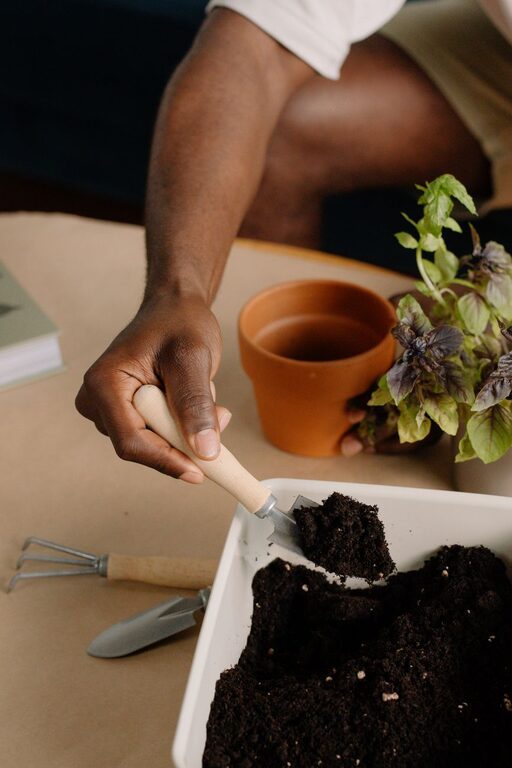
Growing a small herb garden indoors is a wonderful way to enjoy fresh flavors all year long while brightening your living space. Whether you have a sunny windowsill, a balcony, or even a corner of your kitchen, starting an indoor herb garden is simple, rewarding, and requires minimal space. This guide will walk you through the essential steps to begin your own small herb garden indoors.
Why Grow Herbs Indoors?
Indoor herb gardens offer many benefits:
– Freshness: Harvest herbs whenever you need them for cooking.
– Convenience: No need to run to the store for small amounts.
– Aromas and Ambience: Herbs add a pleasant scent and greenery to your home.
– Educational and Therapeutic: Gardening can be relaxing and a great learning experience for all ages.
Choosing the Right Herbs for Indoor Growing
Some herbs thrive better indoors due to their size and light requirements. Consider starting with these beginner-friendly herbs:
– Basil: Loves warmth and sunlight; perfect for sunny spots.
– Parsley: Requires moderate light and regular watering.
– Mint: Grows quickly but can spread, so keep it in a separate pot.
– Thyme: Drought-tolerant and enjoys bright light.
– Chives: Easy to grow and tolerant to different light conditions.
– Cilantro: Prefers cooler spots but needs good light.
Select herbs you frequently use in cooking to make your garden more practical and enjoyable.
What You’ll Need to Start
Before planting, gather the following supplies:
– Containers: Small pots or containers with drainage holes. Herbs dislike sitting in water.
– Potting Soil: A high-quality potting mix, not garden soil, to ensure good drainage and nutrients.
– Seeds or Starter Plants: Either start from seeds or buy young herb plants from a nursery.
– Light Source: A sunny window or grow lights if natural light is limited.
– Watering Can or Spray Bottle: To keep soil moist but not soggy.
Step-by-Step Guide to Planting Your Indoor Herb Garden
1. Choose the Right Spot
Most herbs need 6-8 hours of sunlight daily. South-facing windows are ideal. If natural light is limited, consider using LED grow lights to provide the necessary light spectrum.
2. Prepare Your Containers
Ensure your pots have drainage holes. Fill the containers with potting soil, leaving about an inch of space from the rim.
3. Planting Seeds or Transplants
– If using seeds, follow the packet instructions for depth and spacing. Cover lightly with soil and gently water.
– If using transplants, dig a small hole in the soil, place the plant, and cover soil around the roots. Press gently.
4. Watering
Water the herbs thoroughly after planting. Keep the soil consistently moist but avoid overwatering, which can lead to root rot. The soil surface should dry out slightly between watering.
5. Maintain Proper Temperature and Humidity
Most herbs prefer temperatures between 65-75°F (18-24°C). Avoid placing plants near drafts or heating vents. If your home is dry, increase humidity with a small humidifier or by misting the plants occasionally.
Caring for Your Indoor Herb Garden
Light Management
Rotate pots weekly to ensure even sunlight exposure to all sides. If using grow lights, keep them about 6-12 inches above the plants and run for 12-16 hours daily.
Feeding Your Herbs
Use a balanced, water-soluble fertilizer every 4-6 weeks. Follow package directions to avoid overfeeding.
Pruning and Harvesting
Regularly pinch or cut back herbs to encourage bushier growth and prevent them from flowering too early. Harvest leaves as needed, but avoid removing more than one-third of the plant at a time.
Preventing Common Problems
Watch for pests like aphids or spider mites. Wipe leaves with a damp cloth or use mild insecticidal soap if necessary. Ensure good air circulation to prevent fungal diseases.
Tips for Success
– Start small with a few herbs and expand as you gain confidence.
– Group plants with similar light and water needs together.
– Use labeled markers to keep track of your herbs.
– Experiment with different containers such as mason jars, ceramic pots, or recycled containers for a personalized touch.
– Keep a journal to note watering, feeding, and growth progress.
Conclusion
Starting a small indoor herb garden is an enjoyable and practical way to add fresh flavors to your meals and greenery to your home. With the right setup and care, you’ll be harvesting your own herbs in no time, no matter the season!
Happy gardening!