

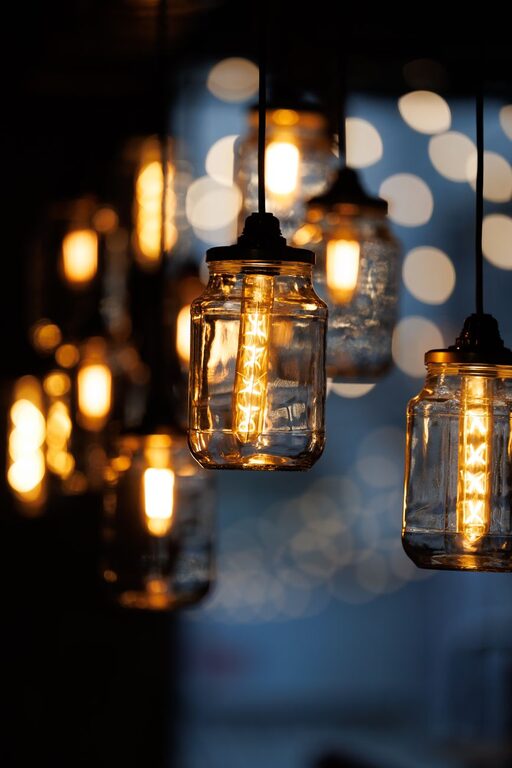
Creating comfortable home lighting is more than just brightening up a room. The right lighting enhances the ambiance, supports your daily activities, and promotes relaxation. Whether you’re setting up a new space or updating your current lighting, knowing what to look for can make all the difference. Here are some practical tips to help you choose comfortable lighting for your home.
Understanding the Importance of Comfortable Lighting
Comfortable lighting affects your mood, productivity, and overall well-being. Harsh, overly bright lights can cause strain and discomfort, while soft, well-designed lighting can make your home feel warm and welcoming. Striking the right balance between functionality and atmosphere is key.
Consider the Purpose of Each Room
Different rooms have varying lighting needs based on their function:
– Living Room: This is often a place for relaxation and socializing, so layered and adjustable lighting works best.
– Kitchen: Tasks like cooking require bright, focused lighting.
– Bedroom: Soft, warm light helps create a restful environment.
– Bathroom: Bright, clear lighting is essential for grooming.
– Home Office: Balanced lighting reduces eye strain and improves concentration.
Understanding these needs helps you select appropriate fixtures and bulb types.
Choose the Right Light Bulb
The type of bulb you select greatly influences comfort:
Color Temperature
Measured in Kelvins (K), color temperature impacts the warmth or coolness of your light.
– Warm Light (2700K to 3000K): Produces a cozy, yellowish glow, ideal for living rooms and bedrooms.
– Neutral Light (3500K to 4100K): Offers a balanced white tone, suitable for kitchens and bathrooms.
– Cool Light (5000K+): Mimics daylight, good for task lighting and work areas.
Brightness
Lumens measure brightness. Choose bulbs with enough lumens to adequately light your space without causing glare.
Energy Efficiency
LED bulbs consume less energy and last longer. They’re a smart choice for both comfort and saving on electricity bills.
Layer Your Lighting
Using multiple layers of light creates a versatile and comfortable atmosphere.
– Ambient Lighting: The main source of light, usually from ceiling fixtures or recessed lights.
– Task Lighting: Focused light for activities like reading or cooking. Examples include desk lamps or under-cabinet lights.
– Accent Lighting: Highlights features like artwork or plants and adds depth to the room.
Combining these layers allows you to tailor the lighting to different times of day and occasions.
Use Dimmers and Smart Controls
Dimmers let you adjust the brightness to suit your mood or activity, preventing harsh lighting when it’s not needed. Smart lighting systems can be controlled via smartphone or voice commands, offering convenience and customization.
Pay Attention to Fixture Placement
Comfortable lighting depends on how fixtures are positioned:
– Avoid direct glare by placing lights where they won’t shine directly into your eyes.
– Use lampshades or frosted bulbs to soften the light.
– Position task lighting close to where it’s needed but out of your line of sight.
Choose Appropriate Fixture Styles
The style of your fixtures can affect how light is dispersed:
– Pendant Lights: Good for focused lighting over tables or kitchen islands.
– Floor and Table Lamps: Offer flexibility and can soften the room’s overall lighting.
– Wall Sconces: Provide gentle, indirect light and save floor space.
Selecting fixtures that complement your room’s size and decor ensures both comfort and style.
Consider Natural Light
Take advantage of daylight whenever possible. Use curtains or blinds that diffuse sunlight without blocking it completely. Natural light improves mood and reduces the need for artificial lighting during the day.
Avoid Flicker and Noise
Some lighting, especially older or cheaper models, can flicker or produce a buzzing sound. This can be distracting and uncomfortable. Test bulbs and fixtures before purchasing to ensure smooth, quiet lighting.
Final Thoughts
Choosing comfortable home lighting is about more than picking pretty fixtures. It involves understanding your space, the activities you’ll do there, and how light affects your comfort. By considering color temperature, layering your lights, using dimmers, and paying attention to fixture placement, you can create a home environment that’s both functional and inviting. Good lighting enhances not only how your home looks but also how it feels.
With these tips in mind, you’re ready to brighten your home in the most comfortable way possible. Happy lighting!